
TL;DR: Staying proactive about roof repairs can prevent minor roofing problems for Charlotte Homeowners. Proper roof maintenance keeps issues from turning into expensive structural or interior damage. Charlotte’s heat, humidity, hail, and severe storms make regular inspections and early repairs especially important for protecting your home.
- Watch for lifted or missing shingles, excessive granule loss, deteriorating caulk, and damaged flashing.
- Keep gutters clear to prevent water from backing up around roof edges, fascia, and other vulnerable areas.
- Look inside your attic and home for stains, damp insulation, musty odors, and other signs of water damage.
- Schedule professional inspections after hail, high winds, and major storms, since roof damage may not be visible from the ground.
- Address problems early to control roof repair costs and extend the life of your roofing system.
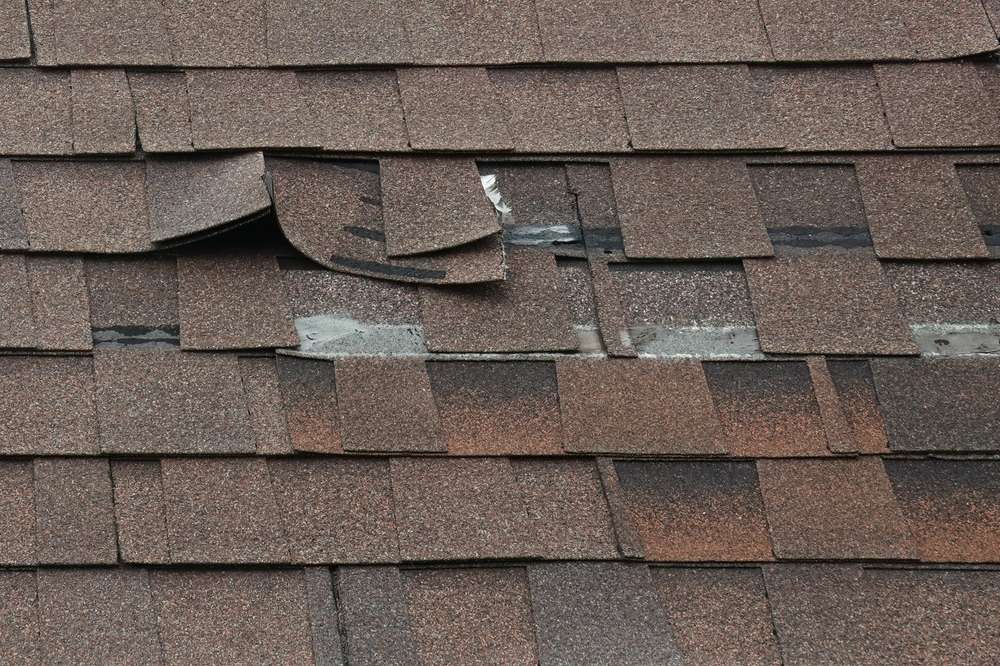
Roof problems rarely start as major emergencies. A slightly lifted shingle, loose flashing, deteriorating caulk, or a gutter packed with leaves may seem minor today. Left unaddressed, those small issues can allow moisture into your roofing system and eventually lead to damaged decking, insulation problems, mold, or costly interior repairs.
For Charlotte homeowners, catching roof problems early is especially important. Hot summers can accelerate roofing wear and tear, high humidity can make moisture problems worse, and severe thunderstorms can cause storm damage that isn’t always visible from the ground.
Being proactive about roof repair Charlotte homeowners need can help extend the life of your roof, control repair expenses, and prevent small problems from becoming major projects. Here are the warning signs to watch for and the steps you can take to stay ahead of damage.
Why Charlotte’s Climate Is Hard on Residential Roofs
Charlotte’s changing weather exposes roofs to several sources of stress throughout the year.
During hot summer days, roofing surfaces can reach temperatures far above the outdoor air temperature. Repeated heating and cooling can gradually affect shingles, sealants, flashing, and other roofing materials.
Severe thunderstorms add another concern. The Charlotte area can experience hail events multiple times during an active storm season. Even relatively small hail can bruise asphalt shingles or loosen protective granules without creating an obvious hole. Those damaged areas may become more vulnerable to UV exposure and moisture over time.
Then, there is humidity. A small roof leak that might initially seem insignificant can introduce moisture into warm attic spaces. Persistent moisture can contribute to mold growth, damaged insulation, wood deterioration, and eventually interior water damage.
The lesson is simple: minor roof damage deserves attention before Charlotte’s climate has an opportunity to make it worse.
Look for Lifted, Cracked, or Missing Shingles
Shingles are your roof’s first line of defense against rain and wind.
From the ground, look for shingles that appear lifted, curled, cracked, shifted, or completely missing. After a severe storm, you may also notice shingles or roofing fragments in the yard.
A lifted shingle can allow wind-driven rain underneath the roof covering. Once moisture reaches the underlayment or decking, a relatively straightforward residential roof repair can become a more extensive project.
Avoid climbing onto your roof to investigate. Roof surfaces can be steep, slippery, and damaged in ways that aren’t obvious. A professional roofing contractor can safely inspect questionable areas and determine the appropriate repair.
Watch for Excessive Granule Loss
Asphalt shingles contain protective granules that help shield the material from sunlight and weather exposure.
Some granule loss is normal as a roof ages, but excessive accumulation in gutters or near downspouts can signal accelerated deterioration. Hail can also knock granules loose, leaving darker spots or bruised areas across the roof. This damage may not always be visible from the ground and might require further inspection to avoid potential issues later on.
Charlotte’s hot summers make granule protection particularly important. Once significant areas of a shingle lose their protective surface, UV exposure can accelerate aging.
If you notice unusual amounts of granules after a storm, schedule an inspection rather than assuming the roof is fine because it isn’t leaking.
Check Flashing and Roof Penetrations
Flashing protects some of the most vulnerable areas of your roof, including chimneys, valleys, walls, skylights, and plumbing vents.
Loose, bent, rusted, or improperly sealed flashing can create an easy path for water. Caulk and sealants around roof penetrations can also deteriorate from years of sun exposure and temperature changes.
These problems are often inexpensive to correct when identified early. Once water gets underneath the surrounding materials, however, the roof repair cost can increase as damaged decking or interior components need attention.
A professional inspection should include flashing, penetrations, sealants, and other transition points instead of focusing only on shingles.
Keep Your Gutters Clear
Gutters are an important part of your home’s water management system.
Leaves, pine needles, twigs, and other debris can prevent rainwater from draining properly. Clogged gutters may overflow against fascia boards or allow water to collect near roof edges.
Charlotte’s tree-lined neighborhoods can make gutter maintenance a recurring task, particularly during fall and after severe storms.
Clean gutters regularly and watch for sagging sections, loose fasteners, or downspouts that aren’t directing water away from the house. Gutter maintenance is a relatively simple part of protecting your home from moisture-related problems.

Don’t Ignore Signs Inside Your Home
Not every roof problem is the easiest to spot outdoors.
Pay attention to ceiling stains, peeling paint, damp attic insulation, musty odors, or unexplained discoloration around walls and ceilings. These can all indicate moisture intrusion.
After heavy rain, check your attic to see if it is safe and accessible. Look for damp wood, water stains, or areas where daylight appears through the roof structure.
A small leak doesn’t always drip directly beneath the damaged roofing material. Water can travel along rafters, decking, pipes, or other surfaces before becoming visible inside your home.
Finding the source may require an experienced roof repair contractor.
Schedule an Inspection After Major Storms
A roof can look normal from the driveway and still have hail or wind damage.
After severe weather, a professional inspection can identify bruised shingles, lifted edges, damaged flashing, exposed fasteners, or other concerns that homeowners may miss.
This doesn’t mean every storm requires major roof repair services. In many cases, an inspection provides reassurance that the roof remains in good condition. If damage is found, addressing it early can help prevent a much larger problem.
Taking photos and documenting the condition of your roof can also be useful if an insurance claim becomes necessary.
Will Home Insurance Cover Roof Repair?
A common question is, will home insurance cover roof repair?
Coverage generally depends on the cause of the damage and the specific terms of your policy. Sudden damage from events such as hail, wind, or falling objects may qualify for coverage under some homeowners’ policies.
Damage caused by age, neglected maintenance, or normal wear and tear is generally treated differently and may not be covered.
If you suspect storm-related damage, document what happened and contact your insurer to understand your policy. A reputable roofing company can inspect the roof and provide information about its condition, but your insurance company determines coverage.
How Much Does Roof Repair Cost?
Roof repair cost varies significantly based on the location and extent of the damage, the type of roof, accessibility, labor, and required materials.
Replacing a few damaged shingles or resealing a small flashing area will typically cost much less than repairing rotten decking or widespread moisture damage.
That’s exactly why early intervention matters.
Delaying a minor repair can turn an affordable maintenance issue into structural work involving decking, insulation, ceilings, or walls. Regular inspections give you an opportunity to address problems while they are still manageable.
Make Roof Inspections Part of Home Maintenance
You don’t need to wait for a leak to pay attention to your roof.
Consider having your roof professionally inspected periodically and after significant hail or wind events. Between inspections, visually check your roof from the ground and pay attention to gutters, attic conditions, and ceilings.
H&S Roofing believes good roof repair services should help homeowners prevent emergencies, not simply respond after significant damage has already occurred.
As a local roofing company, H&S Roofing understands how Charlotte’s heat, humidity, hail, wind, and storms affect residential roofing systems. Our team can identify developing problems, explain which repairs deserve immediate attention, and help you create a practical plan for maintaining your roof.
A relationship with a trusted roofing contractor gives you someone to call when you notice a small concern, not just when water starts coming through the ceiling.
Staying proactive about roof repair Charlotte homeowners need is one of the simplest ways to extend your roof’s service life and reduce the risk of expensive surprises. Regular inspections, basic maintenance, and early repairs can go a long way toward protecting your home for years to come.
The best time to fix a roof problem in Charlotte is before it becomes a big one. H&S Roofing has been roofing Charlotte Since 1939 and offers free inspections to catch small issues early – before they turn into costly repairs.