
TL;DR: Charlotte’s storm season brings hail, high winds, and heavy rain that can damage your roof in minutes. Knowing exactly what to do in the hours and days after a storm protects your home, strengthens your insurance claim, and helps you avoid the scam contractors who flood the area after every major weather event.
- Don’t get on the roof yourself. Assess visible damage safely from the ground.
- Document everything with photos and video before any cleanup or temporary repairs
- Call a trusted local roofer before calling your insurance company
- Be cautious of door-to-door contractors who appear immediately after a storm
- Acting quickly prevents secondary damage from water intrusion
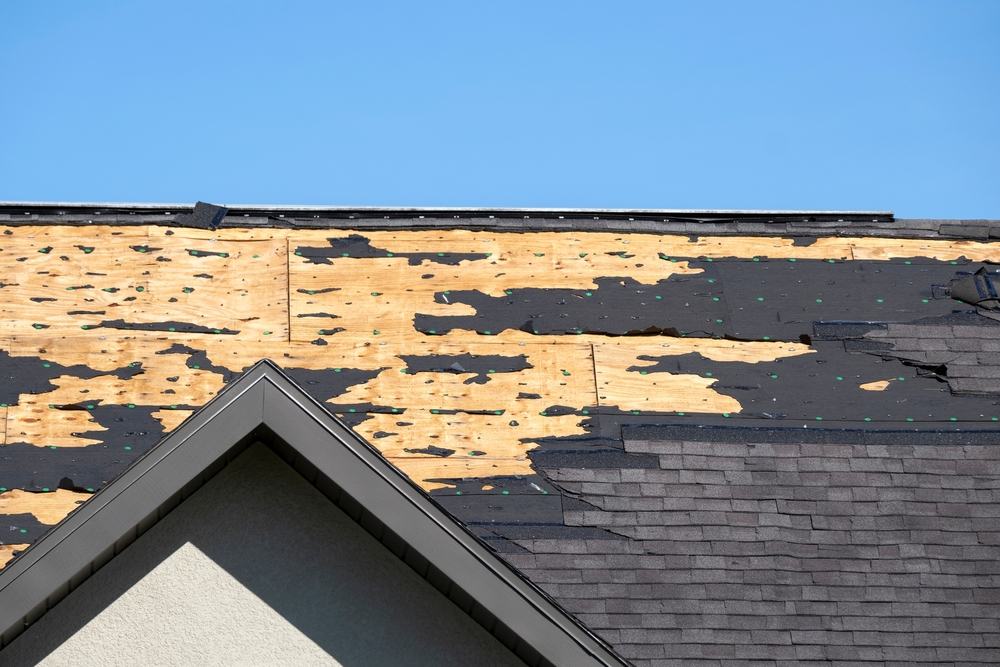
A storm just ripped through your neighborhood. Shingles are scattered across the yard, a branch is hanging off the gutters, and you’re not sure what the roof looks like up top. It’s a stressful moment, and what you do next matters more than most homeowners realize.
Charlotte sits in one of the most storm-active regions in the Southeast. According to NOAA’s storm events database, the greater Charlotte metro experiences dozens of significant hail and wind events every year, and each one puts thousands of roofs at risk. Here’s a step-by-step guide to handling storm damage roof repair the right way so your home stays protected and your insurance claim goes smoothly.
Step 1: Assess the Damage Safely From the Ground
After a storm passes, your first instinct might be to climb up and check the roof yourself. Don’t. A storm-damaged roof may have loose shingles, weakened decking, or structural issues that make it unsafe to walk on. Instead, do a visual assessment from the ground.
Walk around the perimeter of your home and look for:
- Missing, curled, or cracked shingles on the roof surface
- Shingle granules accumulating in gutters and downspouts
- Dented or bent gutters, flashing, and vents
- Fallen branches or debris sitting on the roof
- Water stains on ceilings or walls inside the home
If you see active leaking inside, place buckets under the drip points and move furniture or valuables away from the affected area. Don’t try to make permanent repairs yourself. A tarp or bucket is enough to limit secondary damage until a professional arrives.
Step 2: Document Everything Before Touching Anything
Your insurance claim lives and dies on documentation. Before you clean up debris, sweep off the porch, or make any temporary repairs, take photos and video of every visible sign of damage from multiple angles. Include the roof, siding, gutters, windows, landscaping, and any interior water damage.
The Insurance Information Institute recommends documenting the date and time of the storm, photographing damage from wide and close-up perspectives, and saving any receipts for emergency repairs or temporary supplies. This documentation becomes the foundation of your claim and protects you if the adjuster’s assessment differs from what you observed.
Step 3: Call a Local Roofer Before Calling Insurance
This is the step most homeowners get backward. Calling a trusted local roofing company before you contact your insurance company gives you a professional assessment of the damage and detailed documentation that strengthens your claim from the start.
H&S Roofing has been providing roof repair services across the Charlotte area for over 80 years, and our estimators know exactly what insurance adjusters look for when evaluating storm claims. We’ll inspect your roof, document every point of damage, and provide a detailed report you can submit with your claim. Having professional documentation in hand when the adjuster arrives puts you in a stronger position than filing a claim with nothing but your own photos.
Step 4: File Your Insurance Claim With Documentation Ready
Once your roofer has completed their inspection and provided a report, contact your insurance company to file the claim. Have the following ready:
- Your policy number and coverage details
- Photos and video of all visible damage
- The professional inspection report from your roofing contractor
- Receipts for any emergency supplies or temporary repairs
- The date and approximate time the storm hit
Most North Carolina homeowners insurance policies cover sudden storm damage from wind, hail, and falling debris. The key distinction is that the damage must be from a specific weather event, not gradual wear and tear. Your roofing contractor’s documentation helps establish that the damage is storm-related and supports a faster, more favorable claim outcome.
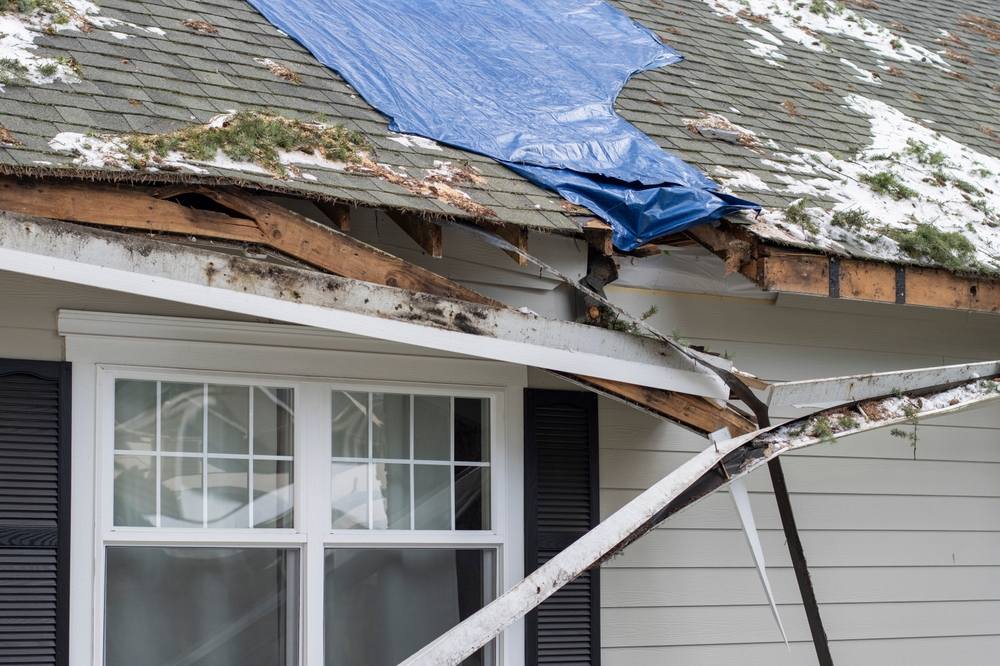
Step 5: Schedule Your Repair and Don’t Wait
Roof repair after a storm in Charlotte, NC should happen as quickly as possible. Even minor damage like a few missing shingles can lead to water intrusion that causes mold, insulation damage, and rotted decking if it’s left exposed through the next rain.
Emergency roof repair situations, like active leaking or large sections of missing shingles, should be addressed immediately with temporary protection and scheduled for permanent roofing repair in Charlotte NC as soon as materials and crew are available.
H&S Roofing offers comprehensive residential roofing services including full storm damage assessment, insurance documentation support, and professional repairs backed by workmanship warranties you can count on.
FAQs
How do I know if my roof was damaged by a hail or wind storm in Charlotte?
Look for dented gutters and downspouts, shingle granules collecting in gutters, missing or lifted shingles, and soft spots or bruising on the shingle surface. Hail damage often appears as dark circular marks on asphalt shingles, while wind damage typically lifts or tears shingles along the edges.
Does homeowners insurance cover storm damage roof repair in North Carolina?
In most cases, yes. Standard homeowners insurance policies in North Carolina cover sudden damage from wind, hail, falling trees, and lightning. Damage from gradual wear, poor maintenance, or flooding (which requires separate flood insurance) is typically not covered. The age and condition of your roof may also affect coverage.
Should I call a roofer or my insurance company first after storm damage?
Call a roofer first. A professional inspection gives you documented evidence of storm-related damage before the adjuster arrives, which strengthens your claim and ensures nothing gets missed.
How much does storm damage roof repair cost in Charlotte, NC?
Roof repair in Charlotte NC costs vary based on the extent of the damage, the materials needed, and whether structural repairs are required beyond just replacing shingles. Minor repairs for a few missing shingles may cost a few hundred dollars, while extensive hail or wind damage requiring large sections of shingle replacement can run several thousand.
Final Thoughts
Storm just roll through your neighborhood? Don’t wait. Call H&S Roofing for a free storm damage inspection before you contact your insurance company. Our team knows exactly what adjusters look for and will help you document every detail. With over 80 years of experience serving Charlotte homeowners, we’re the local partner you can trust when it matters most.