
TL;DR: Not every roof problem means you need a full replacement. Many issues can be resolved with targeted repairs that extend the life of your existing roof by years. The key is knowing which signs point to a repair and which ones indicate the roofing system has reached the point where patching no longer makes financial sense. Charlotte’s storm-heavy climate accelerates wear faster than most regions, which makes regular inspections and early intervention especially important.
- Minor damage in isolated areas usually calls for repair, not replacement
- Widespread deterioration across multiple sections typically means replacement
- Charlotte’s hail, wind, and UV exposure shorten roof lifespans compared to milder climates
- Interior water stains, attic moisture, and rising energy bills are all signals worth investigating
- An honest professional assessment saves you from overspending on either option
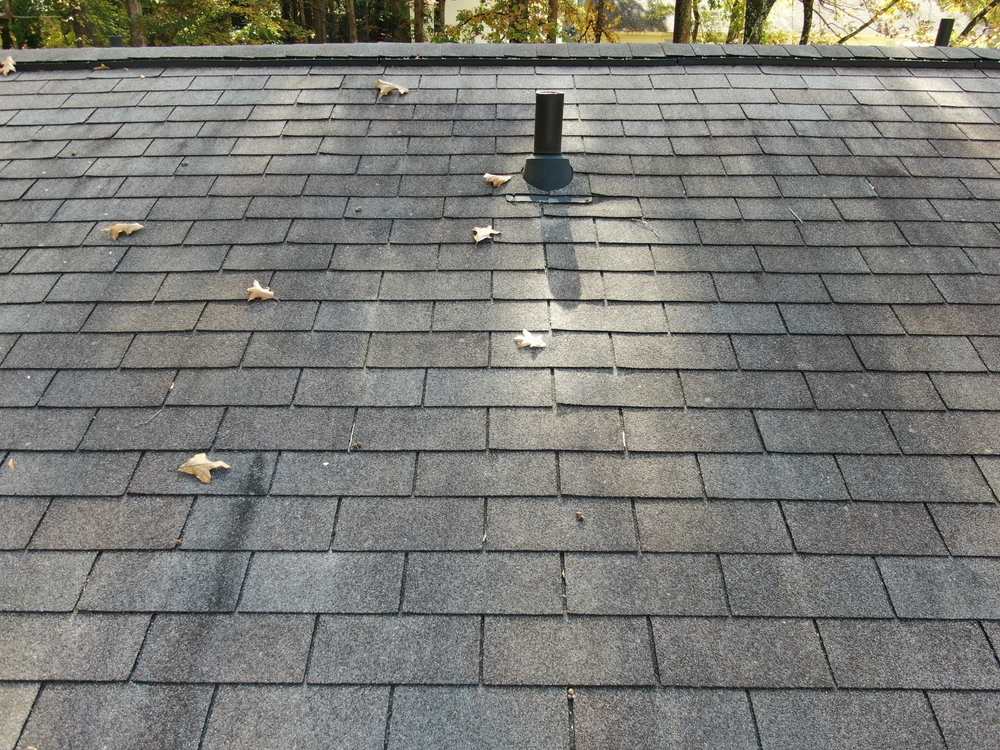
Roofing in Charlotte comes with challenges that homeowners in milder climates don’t face. Between severe thunderstorms, hail events, intense summer heat, and occasional hurricane-force winds, your roof absorbs a tremendous amount of punishment over its lifetime.
When damage shows up, the first question most homeowners ask is whether they need a repair or a full replacement, and the answer isn’t always obvious from the ground.
The good news is that many common roof problems can be fixed without tearing everything off and starting over. Here’s how to tell the difference.
When Roof Repair Makes Sense
A Few Missing or Damaged Shingles
If a storm knocked off a handful of shingles or you’ve got a small section showing wear, a targeted roof repair in Charlotte is almost always the right call. Your roofer can replace the affected shingles, check the underlayment beneath them, and have you back to full protection in a single visit. This is especially true if the rest of the roof is in solid condition and still has years of life ahead of it.
Isolated Flashing Damage
Flashing is the metal material that seals the joints around chimneys, vents, skylights, and where the roof meets a wall. When flashing cracks, lifts, or corrodes, it creates an entry point for water. The repair is usually straightforward: remove the damaged flashing, inspect the area beneath it, and install new flashing with proper sealing. If the damage is limited to one or two areas and the surrounding roofing material is intact, there’s no reason to consider replacement.
A Single Leak With a Clear Source
One leak doesn’t mean your roof is failing. A cracked pipe boot, a nail pop, or a small section of damaged shingles can all cause a leak that’s quick and affordable to fix. How much does it cost to repair a roof for a single-point issue like this? Most minor repairs run a few hundred dollars, which is a fraction of what a full replacement costs and can buy your roof several more years of reliable performance.
Minor Granule Loss in Limited Areas
Some granule loss is normal as shingles age. If it’s concentrated in one section, perhaps where a tree branch has been rubbing against the surface, a repair or partial replacement of that section can address the problem without a full tear-off.
When Replacement Is the Better Investment
Widespread Shingle Deterioration
When curling, cracking, and missing shingles are showing up across the entire roof rather than in isolated patches, the material has aged past the point where individual repairs add up to a smart investment. If you’re asking should I repair or replace my roof, and the damage covers more than 30% of the surface, replacement typically delivers better long-term value.
Recurring Leaks After Previous Repairs
A roof that keeps leaking in different spots despite multiple repairs is telling you something. Each repair addresses a symptom, but the underlying material has deteriorated to the point where new failure points keep developing. When you’ve paid for three or four repairs in a couple of years, how much does it cost to replace a roof starts looking more reasonable than continuing to chase leaks.
Sagging or Structural Deformation
A roof deck that’s sagging visibly from the ground or feels soft and spongy when walked on has structural problems beneath the shingles. This goes beyond surface material failure and indicates that moisture has compromised the decking, and possibly the framing beneath it. Roof replacement in Charlotte that includes decking repair is the only way to address this safely and permanently.
Age Beyond Expected Lifespan
Most asphalt shingle roofs in Charlotte last 15 to 25 years depending on the material quality and how much storm exposure they’ve absorbed. If your roof is past that window and showing multiple symptoms of wear, investing in repairs is like putting new tires on a car with a failing engine.
The money is better spent on a new roofing system that resets the clock and comes with a fresh workmanship warranty.
FAQs
What are the most common signs of roof damage in Charlotte, NC?
The most frequent signs include missing or damaged shingles after storms, granule accumulation in gutters, cracked or lifted flashing around chimneys and vents, water stains on interior ceilings, and visible wear patterns on south-facing slopes that take the most direct sun and heat. Charlotte’s storm activity means hail dents on shingles, gutters, and vent caps are also common and worth having inspected after any significant weather event.
How many repairs are too many before I should just replace my roof?
There’s no exact number, but a good rule of thumb is that if you’ve needed three or more significant repairs within a two to three year period, the roof is signaling systemic failure rather than isolated damage. At that point, the cumulative cost of continued repairs often approaches or exceeds what you’d spend on a replacement that lasts another 20 to 25 years. Your roofer can help you compare the numbers side by side.
How does Charlotte’s weather accelerate roof wear and damage?
Charlotte’s climate hits roofs from multiple angles. Summer heat and UV radiation break down the chemical bonds in asphalt shingles, causing them to dry out, curl, and lose granules faster. Severe thunderstorms bring hail that bruises and cracks shingle surfaces. High winds lift edges and create entry points for water.
And heavy rain tests every seam, joint, and flashing point on the roof. According to NOAA’s historical weather data, the Charlotte metro averages dozens of significant storm events per year, which compounds wear faster than regions with milder weather patterns.
What interior signs indicate my Charlotte roof needs attention?
Water stains on ceilings or walls, especially after rain, are the most obvious interior indicator. Other signs include peeling paint or bubbling wallpaper on upper floors, mold or mildew growth in the attic, damp or compressed attic insulation, daylight visible through the roof boards, and a musty smell that gets stronger during humid weather. The EPA recommends addressing moisture sources promptly because mold can begin growing within 24 to 48 hours of water exposure.
Final Thoughts
Not sure if you need a repair or a full replacement? H&S Roofing will give you an honest, no-pressure assessment backed by over 85 years of experience protecting Charlotte homes. We’ll inspect your roof, explain what we find in plain language, and recommend the option that makes the most sense for your home and your budget. No upselling, no scare tactics, just straight talk from a locally owned team that’s been doing this since 1939.